
April 30, 2026
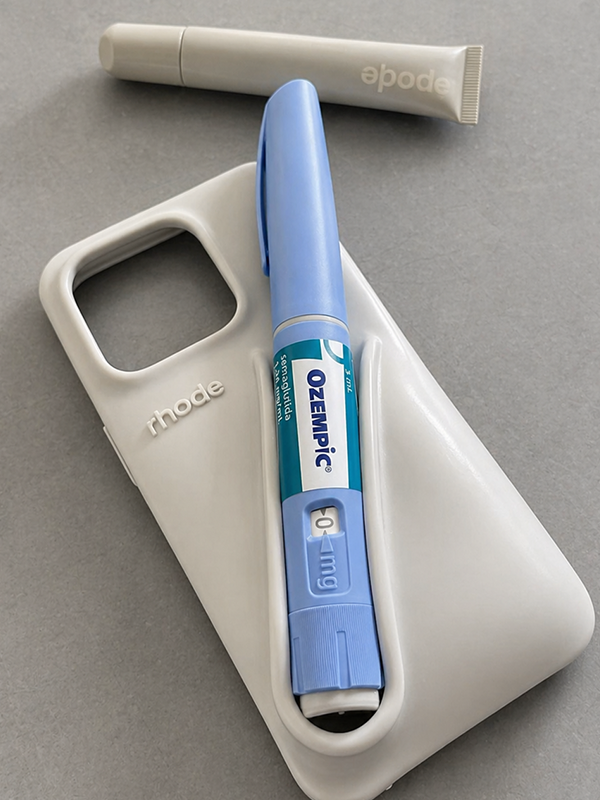
In recent years, Ozempic has become one of the most talked-about drugs in the world of weight loss.
Originally developed for people with type 2 diabetes, it is now widely used for fat loss. While the results can be dramatic, the conversation around Ozempic is often incomplete.
To understand whether it fits into a healthy lifestyle, it is important to look at what it actually does to the body.
Ozempic is the brand name for semaglutide, a drug that belongs to a class called GLP-1 receptor agonist.
It works by mimicking a natural hormone in your body called GLP-1, which is involved in regulating blood sugar and appetite.
In simple terms, the drug:
The result is that you feel full faster and stay full longer, which leads to a significant reduction in calorie intake.
Weight loss from Ozempic is not caused by an increase in metabolism or fat burning.
It is primarily driven by appetite suppression.
By targeting areas in the brain that regulate hunger and reward, the drug reduces the desire to eat. For many people, this leads to a sharp drop in daily calorie intake without actively trying.
This can result in rapid weight loss.
While losing weight quickly may seem beneficial, the composition of that weight loss matters.
Research and clinical observations suggest that a significant portion of the weight lost can come from lean mass. This includes muscle and bone, not just fat.
Loss of muscle mass is associated with Sarcopenia, while bone loss increases the risk of Osteoporosis.
This is especially concerning because:
When muscle and bone are lost, they are difficult to fully regain, particularly if training and nutrition are not properly addressed.
Ozempic works by influencing the brain’s reward system.
While this helps reduce cravings for food, it may also reduce overall motivation and pleasure. Some users report a decreased interest in activities they previously enjoyed, including social interactions and exercise.
There are also concerns about increased risks of depression and negative mental health effects in some individuals.
Several potential medical risks have been associated with the use of semaglutide-based drugs.
These include:
These risks vary between individuals but highlight the importance of medical supervision.
One of the most important considerations is what happens after stopping the drug.
Studies show that a large percentage of people regain the weight they lost within a year of discontinuation.
This creates a dependency cycle where long-term results may require continued use.
At the same time, if muscle mass has been lost during the process, the body may return to a less healthy composition than before.
Ozempic works by influencing key areas of the brain related to hunger, motivation, and behavior.
Because of this, there are still unanswered questions about long-term neurological effects.
These are not yet fully understood and may only become clear over time.
Ozempic is a powerful tool that can create rapid weight loss through appetite suppression.
However, weight loss alone does not equal improved health.
Losing muscle, reducing bone density, and affecting mental and physical systems can have long-term consequences that are often overlooked.
At Convoy, the focus is on building strength, improving body composition, and creating sustainable habits.
That means developing muscle, supporting metabolism, and creating a system that works without dependency on external interventions.
Book a free intake and learn how to build a stronger, healthier body with structure, training, and nutrition that lasts.