
April 16, 2026
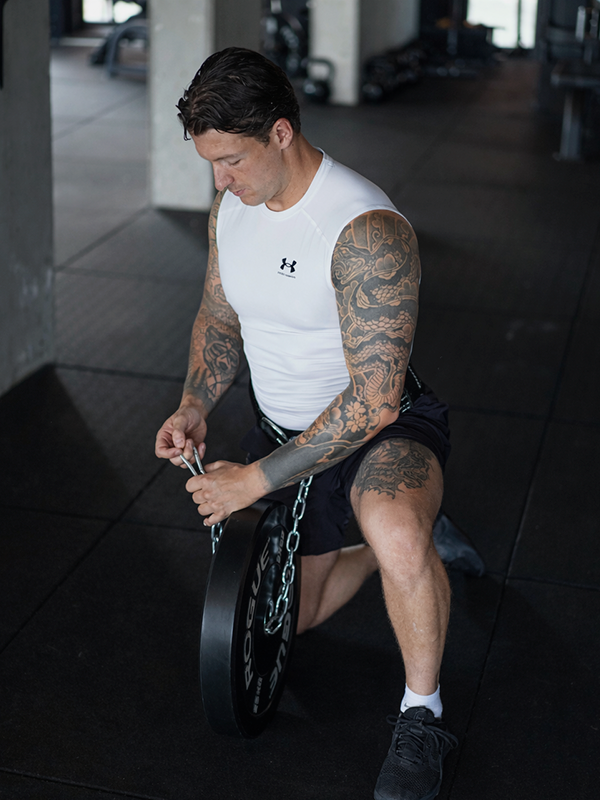
A pull up is one of the most effective exercises in fitness and strength training, but also one of the most misunderstood.
It requires strength in your back, arms, grip and core while lifting your full bodyweight.
That makes it very different from machines in the gym, where you can adjust the load.
Most people are not lacking effort. They are missing structure, progression and the right way to train.
If you want to get your first pull up, you need to build it step by step.
In most gyms, people train without a clear plan.
A few lat pulldowns. Some curls. Then trying a pull up and hoping it works.
But a pull up is a calisthenics movement that demands full-body coordination and relative strength.
You are not just lifting weight. You are lifting yourself.
That is why many people training in the gym still cannot do one.

Rows are the foundation of your pull up.
They teach you how to use your upper back correctly and build the strength needed to lift your bodyweight.
Dumbbell rows
Seated cable rows
Inverted rows
Train 3 sets of 8 to 12 reps with control. Focus on pulling with your back, not just your arms.
Before pulling yourself up, you need to feel comfortable hanging on the bar.
This builds grip strength and shoulder control.
Begin with passive hangs
Then progress to active hangs
3 sets of 20 to 30 seconds
Assisted pull ups allow you to train the full movement while reducing the load.
This helps you build strength in the exact pattern you need.
Resistance bands
Assisted pull up machine
Foot supported pull ups
3 sets of 5 to 8 controlled reps
Negatives focus on the lowering phase of the pull up.
This builds strength and control in a very effective way.
Start at the top position
Lower yourself slowly for 3 to 5 seconds
3 to 5 controlled reps
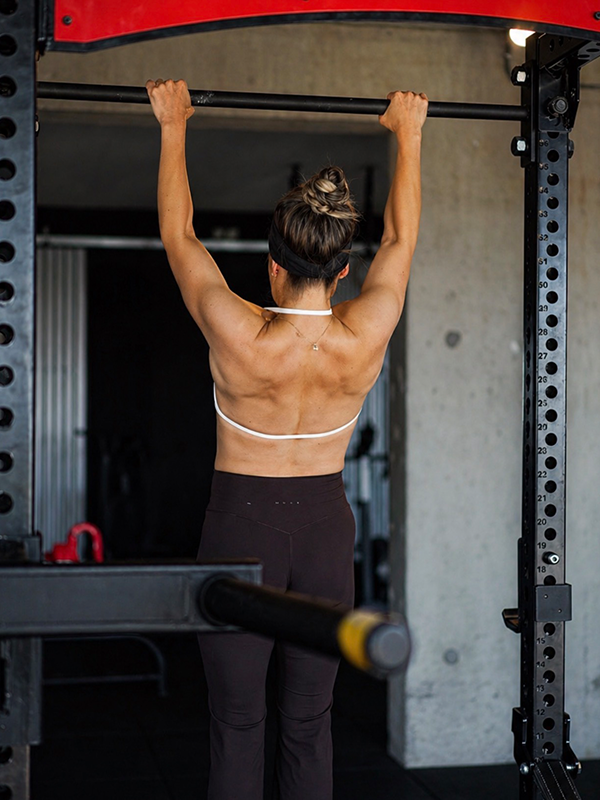
Only test your pull up when you are fresh. Do not test at the end of a workout.
Full hang at the bottom
No swinging
Chin clearly over the bar
Controlled lowering
Doing random workouts without a plan
Testing pull ups too often
Ignoring technique
Not training consistently
Skipping recovery
Consistency beats intensity every time.
This depends on your starting point, bodyweight and consistency.
For most people, it takes a few weeks to a few months.
The goal is not speed. The goal is progress.
Your first pull up is built step by step.
With structure, consistency and good technique, you will get there.
Focus on building strength instead of forcing results.
If you want guidance, structure and a clear plan, training in the right environment makes a big difference.
At Convoy in IJburg Amsterdam, you learn how to train with proper technique, build strength step by step and stay consistent.